How do I Prepare for a Neuropsychological Test?
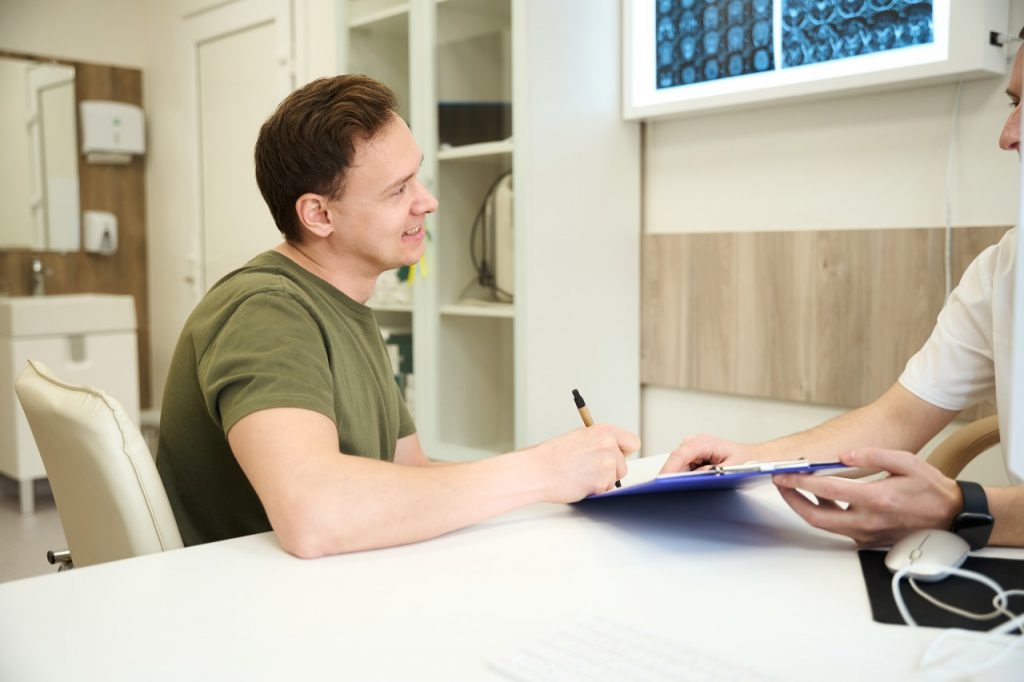
Quick answer: To prepare for a neuropsychological test, sleep well the night before, eat a normal meal, take your usual medications unless your doctor says otherwise, and bring glasses, hearing aids, a list of medications and any previous records or reports. You cannot study for the tests; the goal is to see how you perform […]
Three Main Symptoms of Autism
Quick answer: The three main symptom areas traditionally linked with autism are differences in social interaction, differences in communication, and restricted or repetitive behaviors and interests. The current DSM-5-TR combines social interaction and communication into one area, so a diagnosis now requires persistent social communication differences plus restricted, repetitive behaviors, which include sensory sensitivities. Since […]
How do Pediatricians Diagnose Autism?

Quick answer: Pediatricians screen for autism at well-child visits, and the American Academy of Pediatrics recommends autism-specific screening, such as the M-CHAT-R/F questionnaire, at 18 and 24 months. If screening raises concerns, the pediatrician refers the child to a specialist, such as a psychologist, developmental pediatrician or child neurologist, for a comprehensive diagnostic evaluation. Autism […]
What are Symptoms of Level 1 Autism?
Quick answer: Level 1 autism ("requiring support") means noticeable differences in social communication, such as trouble starting conversations or reading social cues, plus inflexible routines or difficulty switching between activities, that cause real problems without support. People at level 1 usually speak in full sentences and may do well at school or work, but often […]
What are the 12 Signs of Autism in Adults?
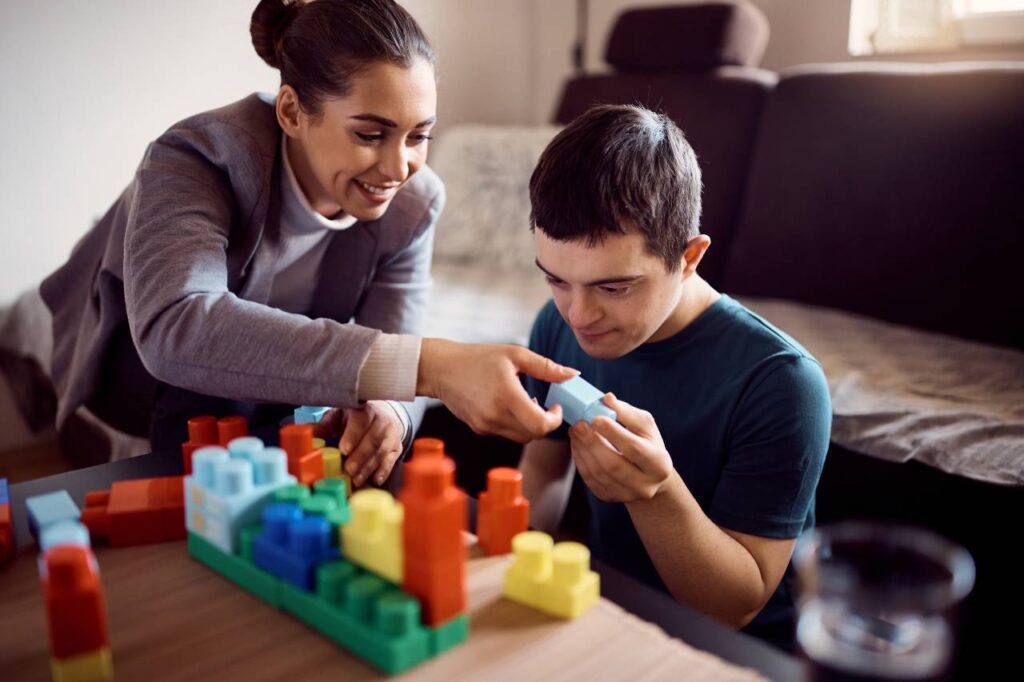
Quick answer: Common signs of autism in adults include difficulty with small talk and unspoken social rules, taking language literally, strong preferences for routine, intense interests, sensory sensitivities, needing time alone to recover after socializing, and a history of feeling different from peers. Having some of these signs is not a diagnosis; a professional evaluation […]
What Is a 73 Autism Score?
Quick answer: There is no single, universal autism score, so a 73 means different things on different tests. For example, on the Social Responsiveness Scale (SRS-2), a T-score of 73 falls in the moderate range (66 to 75), meaning social difficulties that clearly affect daily life. No score diagnoses autism on its own; a clinician […]
How Autism Shows Up in Adults
Quick answer: In adults, autism often shows up as lifelong difficulty reading social cues, exhaustion after socializing, a strong need for routine, intense focused interests, and sensitivity to sound, light or textures. Many adults, especially women, learned to mask these traits, so they were missed in childhood or diagnosed only with anxiety or depression. While […]
What are the Five Disorders in the Autism Spectrum?
Quick answer: Before 2013, the DSM-IV listed five pervasive developmental disorders: autistic disorder, Asperger's disorder, pervasive developmental disorder not otherwise specified (PDD-NOS), Rett's disorder and childhood disintegrative disorder. The DSM-5 replaced the first four with a single diagnosis, autism spectrum disorder (ASD), described by support level. Rett syndrome is now recognized as a separate genetic […]
Does Neuropsych Testing Test for ADHD?

Quick answer: Yes. Neuropsychological testing is one of the most thorough ways to evaluate ADHD. It measures attention, working memory, processing speed and executive function, combines the results with rating scales and history, and checks whether anxiety, learning disabilities, sleep problems or autism better explain the symptoms. There is no single test that diagnoses ADHD […]
What Does a Neuropsychological Assessment Involve?

Quick answer: A neuropsychological assessment involves an intake interview about your history and concerns, several hours of standardized tests (puzzles, memory tasks, questions and pencil-and-paper or computer activities), questionnaires about mood and daily functioning, and a feedback session where a clinician explains your results and recommendations in a written report. We Care Support uses a neuropsychological […]